Oxygen is essential to countless industrial processes and applications. It is widely used in medical technology, industrial gas production, aerospace, energy systems, chemical processing, and high-purity manufacturing environments.
However, oxygen is often misunderstood. While oxygen itself is not flammable, it is a powerful oxidizer that significantly accelerates combustion. In oxygen-enriched environments, materials that would normally burn slowly can ignite more easily and burn much more intensely. Even small amounts of contamination such as oil, grease, adhesives, solvents, or dust particles can create serious fire and explosion hazards.
This is why oxygen cleaning is a critical requirement for components and sealing products intended for oxygen service.
What Is Oxygen Cleaning?
Oxygen cleaning is a specialized process designed to remove contaminants from components that will come into contact with oxygen or oxygen-enriched environments.
The objective is simple: eliminate any substance that could act as a fuel source in the presence of oxygen.
Typical contaminants include:
- Oils and greases
- Hydrocarbon residues
- Adhesives
- Solvents
- Dust and particulate matter
- Manufacturing residues
- Fingerprints and handling contamination
Even microscopic traces of these substances can pose a risk when exposed to high-purity oxygen or elevated oxygen pressures.
Why Is Oxygen Cleaning Necessary?
In standard industrial environments, minor contamination may not present a significant risk. Oxygen systems are different.
Oxygen dramatically increases the rate of combustion. Contaminants that would otherwise be harmless can become ignition sources in oxygen-rich conditions. The result can be rapid combustion, equipment damage, and potentially catastrophic safety incidents.
For this reason, oxygen cleaning is considered an essential safety measure rather than a routine cleaning process.
Properly cleaned components help:
- Reduce fire and explosion risks
- Improve operational safety
- Protect personnel and equipment
- Maintain product purity
- Improve system reliability
- Support compliance with industry requirements
The Risks of Contamination in Oxygen Systems
Contamination can enter a system at multiple stages, including manufacturing, storage, transportation, installation, and maintenance.
- Oils and Greases
Hydrocarbon-based lubricants are among the most common hazards in oxygen service. In oxygen-rich environments, these substances can ignite rapidly and serve as fuel for combustion.
- Dust and Particulates
Dust, fibres, metal particles, and other debris can generate friction, create hot spots, or carry combustible contaminants into the system.
- Manufacturing Residues
Machining oils, cutting fluids, cleaning chemicals, and packaging contaminants may remain on components if appropriate cleaning procedures are not followed.
- Improper Handling
Even a professionally cleaned component can become contaminated through improper handling, storage, or packaging. This is why inspection and packaging are just as important as the cleaning process itself.
Which Components Require Oxygen Cleaning?
Oxygen cleaning is commonly performed on:
- Gaskets
- Seals and packings
- Valves
- Regulators
- Piping systems
- Tubes and fittings
- Pressure vessels
- Instrumentation components
- Medical oxygen equipment
- Industrial gas systems
Any component that comes into contact with oxygen may require oxygen cleaning depending on the purity level, pressure, temperature, and service conditions.
Oxygen Cleaning and Industrial Sealing Products
When discussing oxygen service, sealing components deserve particular attention.
Gaskets, packings, and seals are installed directly within oxygen systems and can become a source of contamination if not properly cleaned and handled. Since oxygen supports combustion, even small amounts of contamination on sealing products can increase the risk of ignition.
For this reason, oxygen-service gaskets must not only be manufactured from suitable materials but must also undergo controlled cleaning, inspection, packaging, and traceability procedures.
Why Inspection and Packaging Matter
Cleaning alone is not enough. After cleaning, components must be carefully inspected to verify cleanliness and protected against recontamination. Without proper packaging and traceability, a perfectly cleaned component can become contaminated before it ever reaches service. This is particularly important in industries where safety, reliability, and product purity are critical.
Oxygen Cleaning Services from IDT
For applications where cleanliness and safety are paramount, Sealmax works with its German technology partner, IDT Industrie- und Dichtungstechnik GmbH, which offers professional oxygen cleaning services for sealing products intended for oxygen service.
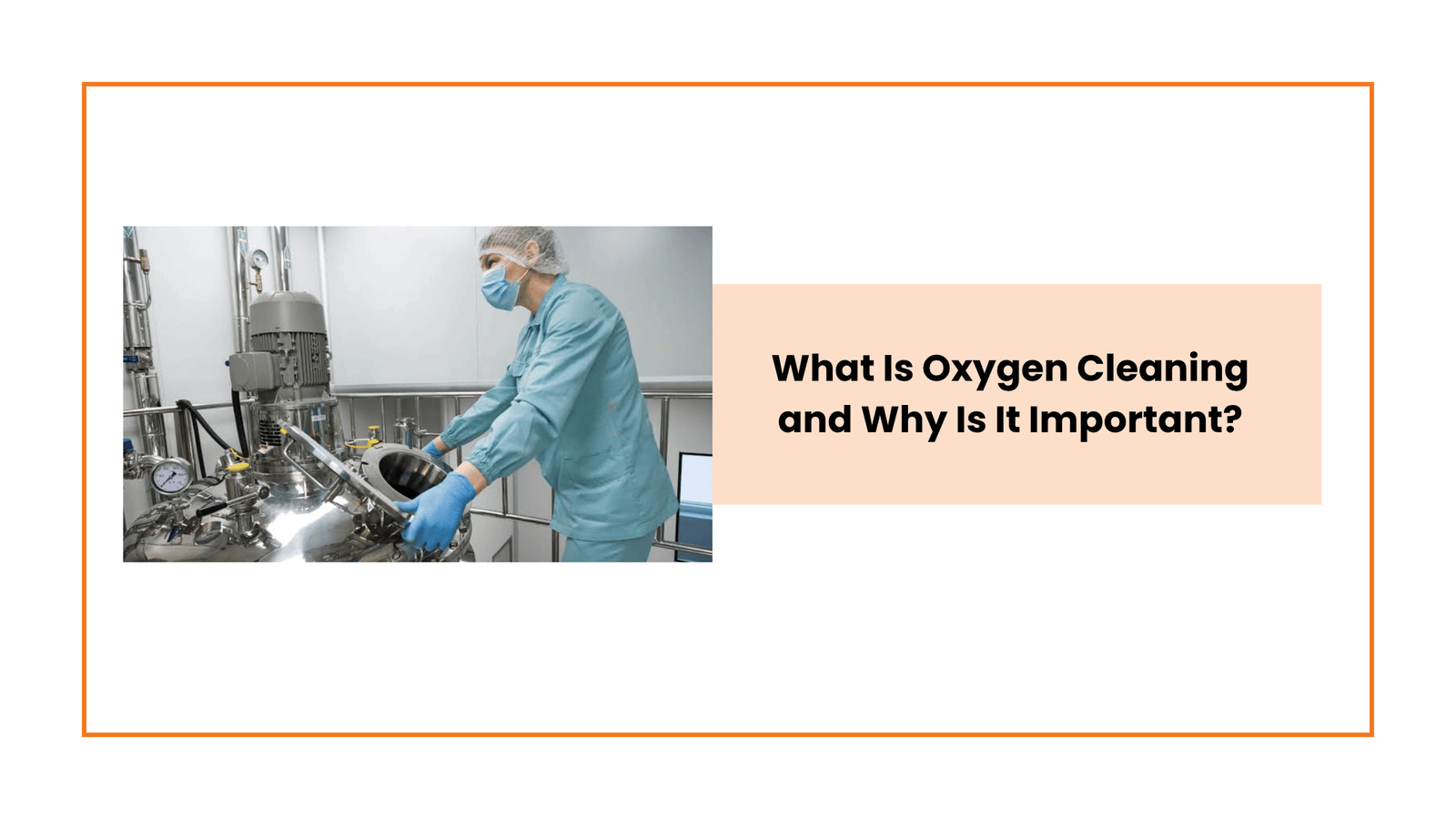
In IDT’s clean-room facility, contamination is monitored under strictly controlled environmental conditions. Products undergo cleaning, final inspection, and dedicated packaging specifically for oxygen applications. Each package is clearly marked for oxygen service, ensuring complete traceability throughout the supply chain.
This process helps eliminate contaminants, significantly reduce fire and explosion risks, and provide customers with products that are ready for oxygen service.
IDT’s in-house clean-room facility has been designed in accordance with DIN EN ISO 14644, Purity Class 7. The facility includes dedicated personnel and product airlocks, testing areas, and separate packaging zones to ensure the highest standards of cleanliness and quality assurance.
In addition to oxygen cleaning, IDT’s approach focuses on three key pillars of oxygen safety:
- Carefully selected materials suitable for oxygen applications
- Adhesive-free sealing technologies that eliminate potential ignition sources
- Controlled oxygen-clean processes that minimize contamination risks
Together, these measures help create safer and more reliable sealing solutions for oxygen-rich environments.
Industries That Benefit from Oxygen Cleaning
Oxygen-cleaned components are commonly used in:
- Industrial gas production
- Medical oxygen systems
- Pharmaceutical manufacturing
- Chemical processing plants
- Aerospace applications
- Energy and power generation
- Semiconductor and high-purity manufacturing
In these industries, oxygen cleaning plays an important role in protecting both personnel and equipment.
Conclusion
Although oxygen is invisible and non-flammable, it can create highly hazardous conditions when contaminants are present.
Proper oxygen cleaning removes potential fuel sources, minimizes fire and explosion risks, and helps ensure the safe operation of oxygen systems across a wide range of industries.
By combining suitable materials, controlled cleaning procedures, thorough inspection, and secure packaging, oxygen-cleaned components provide an additional layer of safety and reliability for critical applications.
For organizations operating oxygen systems, oxygen cleaning is not simply a maintenance practice. It is an essential part of risk management, operational safety, and long-term reliability.