
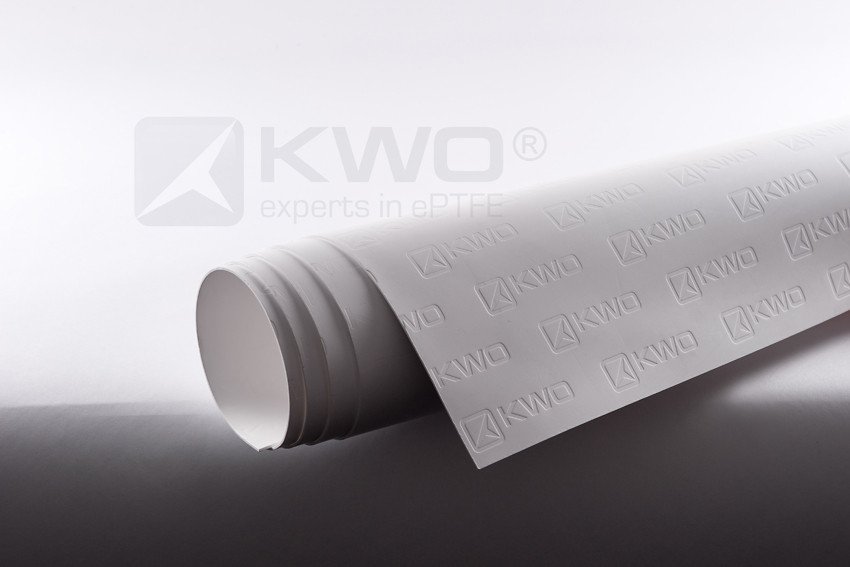
KWO® MultiTex® Sheet 2.0 – ePTFE sealant sheet
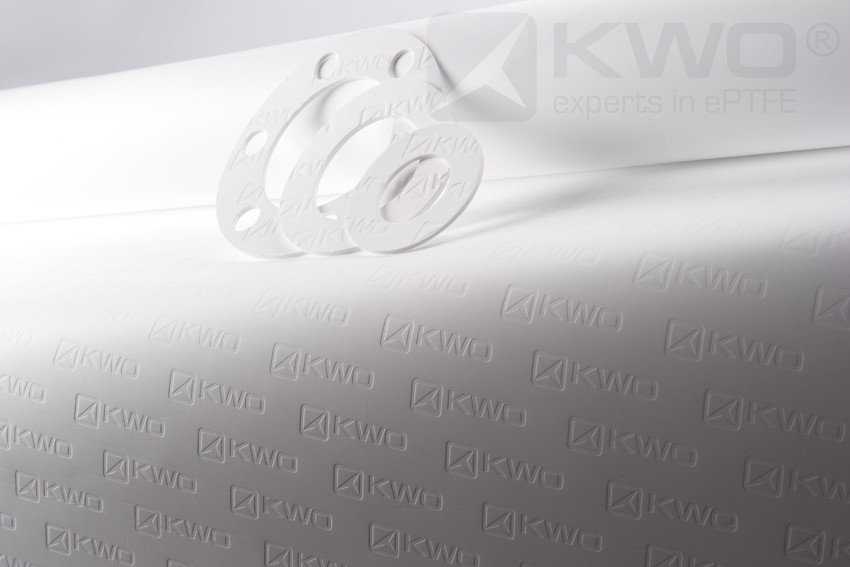
KWO® MultiTex® Sheet 2.0 is produced from 100% multi-directional expanded PTFE without any pigments or adhesives.
The flexible material adapts well to sealing surfaces, compensates irregularities and seals at very low stress. It is suitable for use in steel flanges and glass-lined steel flanges, as well as stress sensitive connections.
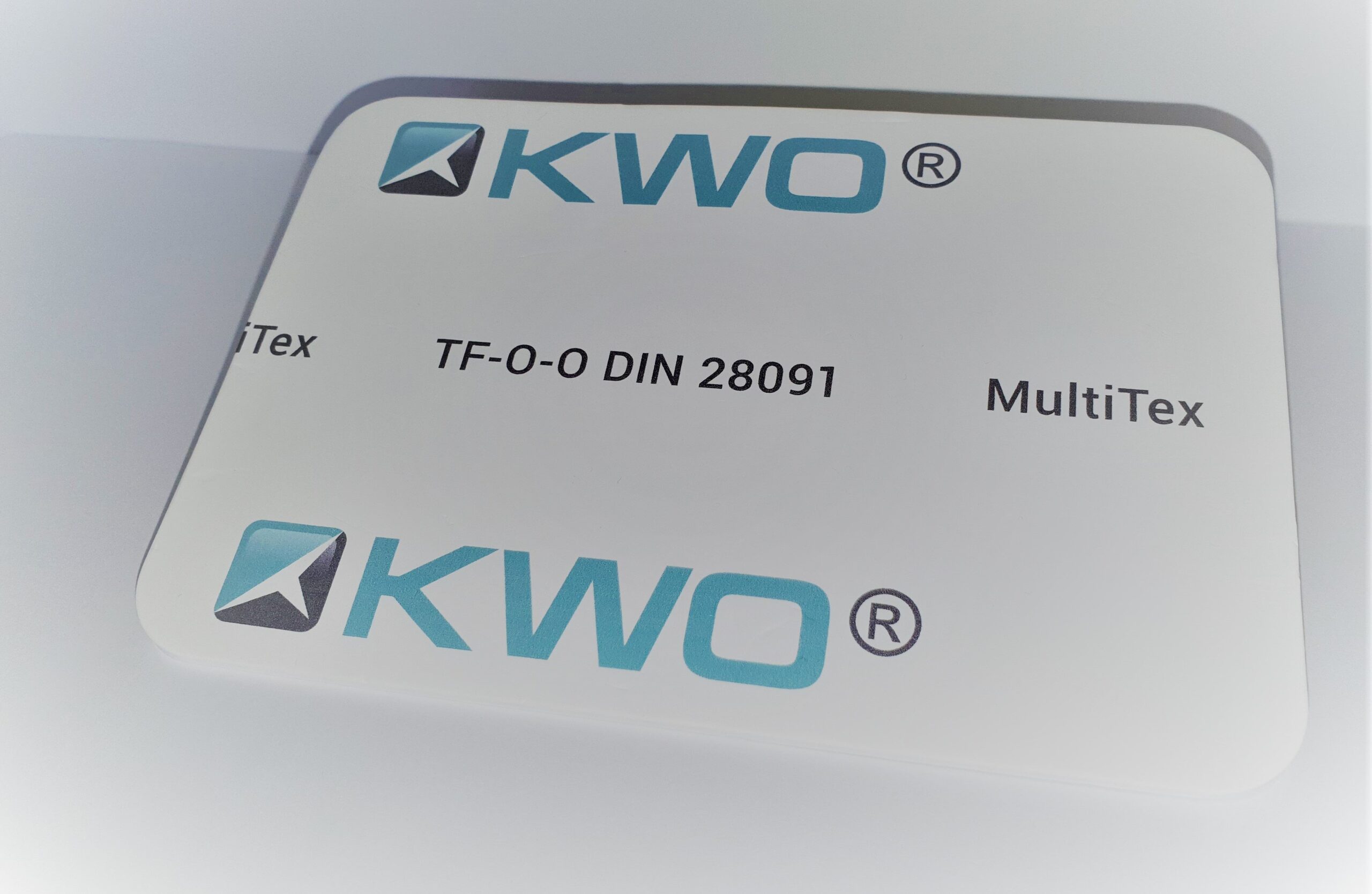
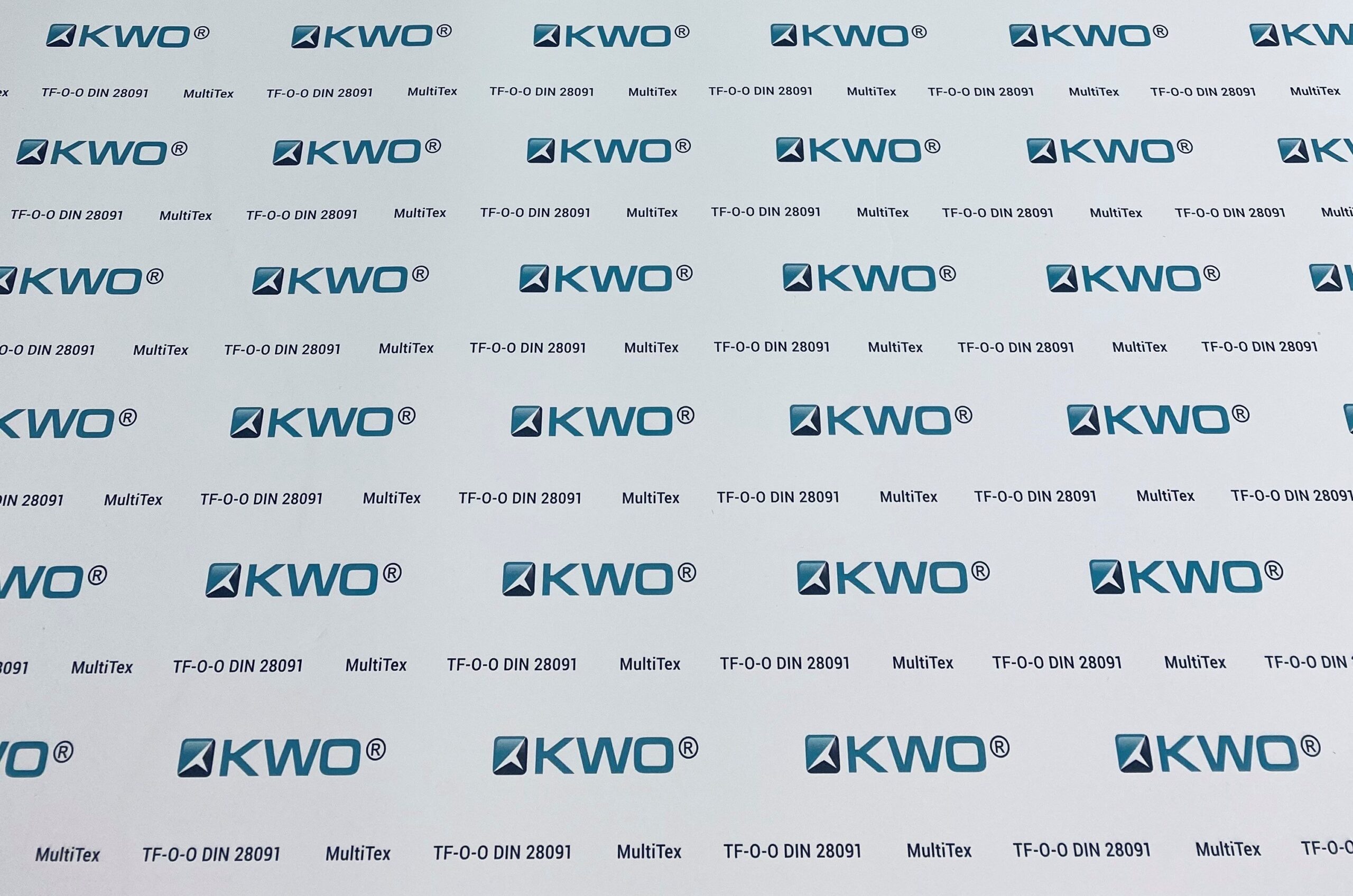
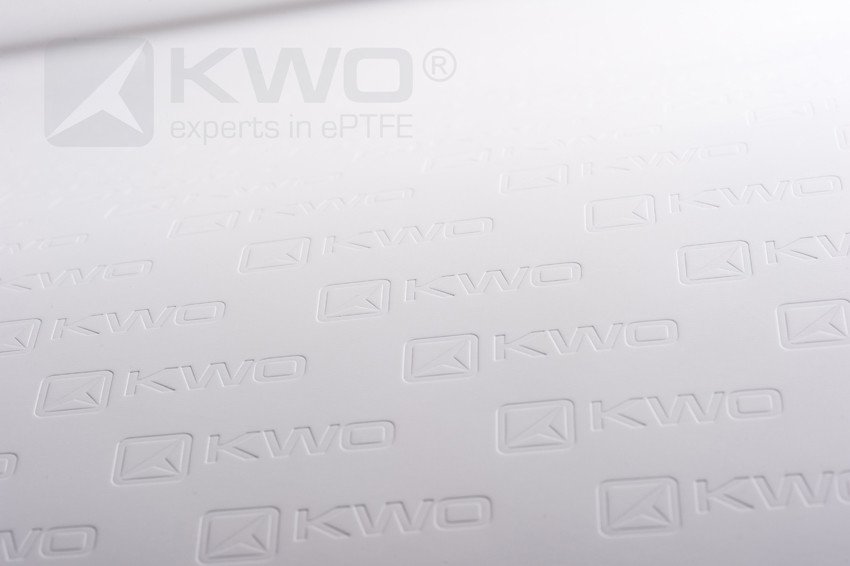
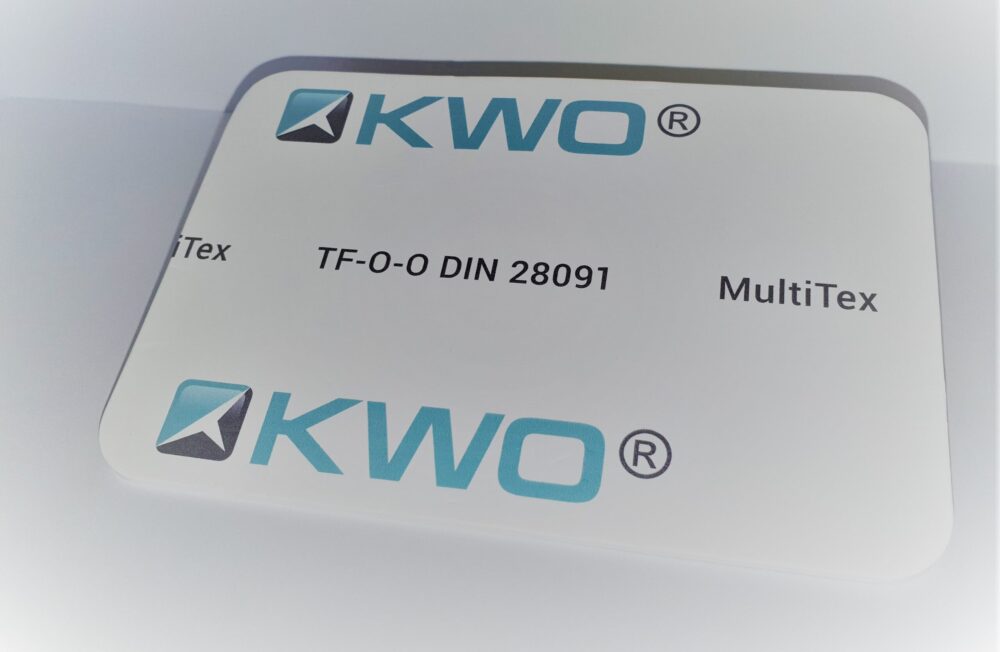
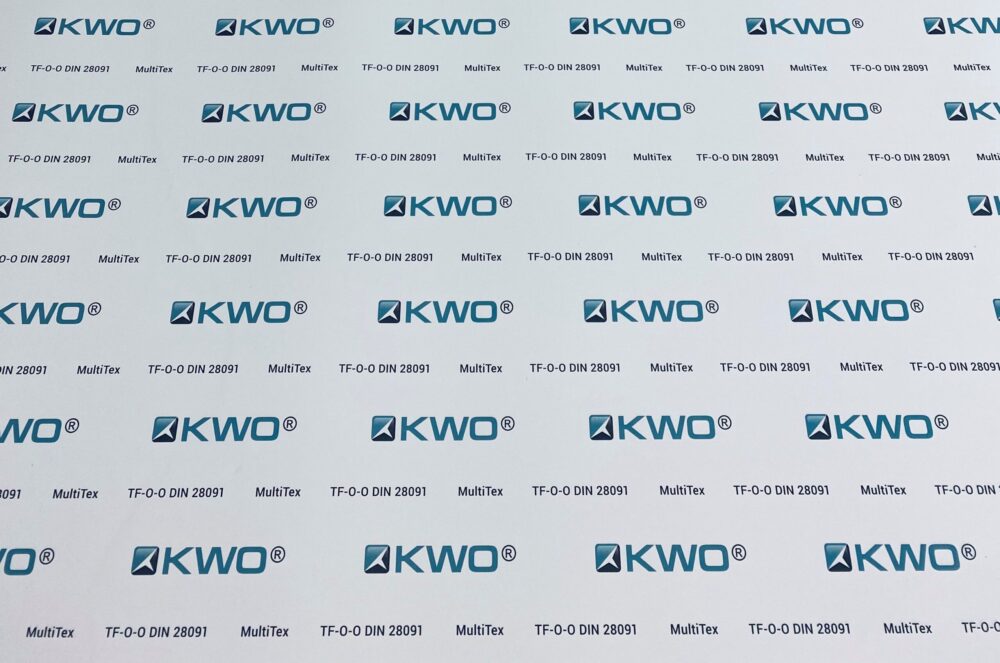
In addition to the printed sheets, which are intended for industrial use and enable clear traceability, we are also offering embossed sheets without ink, which are particularly suitable for ultra-clean applications such as in the food and pharmaceutical sector.
Advantages
Attributes
Application
Certifications
Advantages
- adapts well to sealing surfaces
- compensates irregularities
- superior resistance to creep and cold flow
- very high sealability especially at very low stresses
Attributes
- high chemical resistance
- UV resistant, non-ageing, unlimited storable
- nontoxic, biologically inert
- non-flammable
Application
- flange connections, tank sealings
- heat exchangers, apparatus constructions
- glass-lined flanges, reactors
- pumps
- pharmaceutical- and food processing equipment
Certifications
- BAM – suitable for use with fluid and gaseous oxygen
- TA Luft regulation and blow out safety acc. to VDI 2200
- specific values according to DIN EN 13555
- FDA 21 CFR 177.1550 tested
- EC1935/2004 – suitable for applications with food contact
- USP Plastic Class for pharmaceutical applications
| MATERIAL | 100% multidirectional expanded PTFE (ePTFE) |
| CHEMICAL RESISTANCE | in the entire pH range (pH 0-14, except molten alkali metals and elemental fluorine) |
| TEMPERATURE RANGE | -268°C (-450°F) up to +270°C (+518°F), short-term +315°C (+600°F); recommended temperature range: from -160°C (-256°F) to +230°C (+446°F)* |
| PRESSURE RESISTANCE | vacuum up to 200bar (3000psi) depending on the installation situation* |
| PHYSIOLOGICALLY INERT | physiologically harmless in all recommended applications |
| DENSITY | 0,75 g/cm³ ± 0,15 g/cm³ |
*Note: Temperature and pressure guides cannot necessarily be used simultaneously.